Services
highcaresupport.com.au > Services
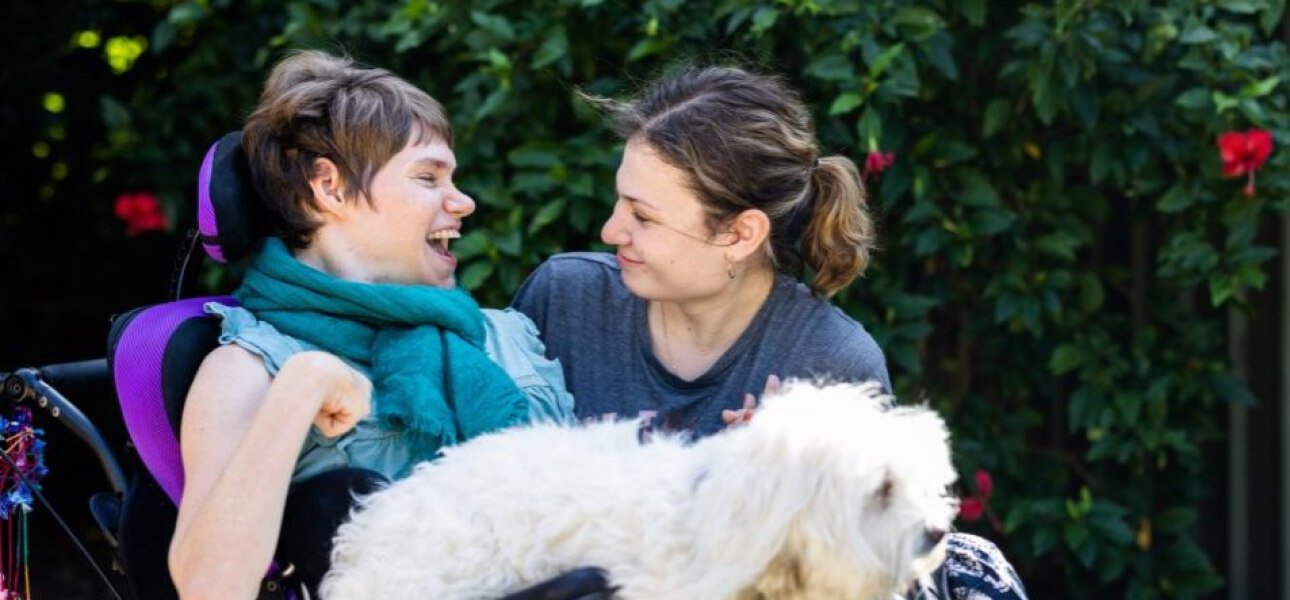
High Care Support is a Registered Provider of the National Disability Insurance Scheme (NDIS). We specialise in providing care for people with disabilities both intellectual and physical. We have support workers available 24/7 for our participants who required high intensity care needs. Above all we are able to deliver all the services to our participants at the comfort of their own homes.
Please navigate our range of services listed below. Feel free to get in touch with us for further details regarding the services we provide or for a chat to see how Assistance Community Care can use its expertise to provide you with superior support in your home and within the community.
Indigenous People & NDIS Support
We are committed to providing culturally safe, respectful, and person-centred NDIS support for Indigenous people, recognising the importance of culture, community, family, and connection to Country.
Our services are designed to support Indigenous participants to live independently, build confidence, and achieve their personal goals while maintaining strong cultural identity and community ties. We understand that every individual’s journey is unique, and we take the time to listen, respect lived experiences.
Through the NDIS, we offer flexible and tailored support that may include daily living assistance, community participation, personal care, skill development, and coordination of supports.
We work closely with participants, families, carers, and community networks to create supportive environments that promote wellbeing, inclusion, and long-term positive outcomes.
Our goal is to support Indigenous people to live life on their own terms — strengthening independence, enhancing quality of life, and supporting participation within community and culture.
what we're offeringour main services
our main services
We Are Approved NDIS Provider For The Following Services
Daily Tasks/Shared Living
Assistance with and/or supervising tasks of daily life in a shared living environment, which is either temporary or ongoing, with a focus on developing the skills of each individual to live as autonomously as possible. This registration group includes short-term accommodation and assistance (e.g. respite care).
Therapeutic supports
Therapeutic supports are provided to assist participants aged from 7 years to apply their functional skills to improve participation and independence in daily, practical activities in areas such as language and communication, personal care, mobility and movement, interpersonal interactions and community living.
Early Childhood Supports
Provision of a mix of therapies, and a key worker for the family. Supports all children 0-6 years with developmental delay or disability and their families to achieve better long-term outcomes, regardless of diagnosis. The type of supports will be different for every child and their family according to their needs.
Daily Personal Activities
Assisting with and/or supervising personal tasks of daily life to enable the participant to live as autonomously as possible. These individual supports can be provided in a range of environments, including but not limited to, the participant’s own home.
Interpret/Translate
Interpreting and translation focuses on assistance to the participant to enable independent communication in essential personal, social or community activities where translation is not available from a mainstream service.
Participate Community
Assisting participants to participate actively in community, social and civic activities; includes supporting participants during these activities, and developing participants’ ability to partake in these activities.
Plan Management
Plan management is the financial management of the plan supports including making payments to providers, expense claims processing, providing monthly statements for participants and claiming for payment from NDIA.
Assist-Life Stage, Transition
This registration group includes short and long-term supports that focus on strengthening the participant’s ability to coordinate their supports, and to assist them to live at home and participate in their community.
Support Co-ordination
It focuses on addressing barriers and reducing complexity in the support environment, while assisting the participant to connect with supports and build capacity and resilience. It may also involve development of an intervention plan which will be put in place by disability support workers..
Household tasks
Essential tasks that the participant is not able to undertake: meal preparation and delivery, house or yard maintenance, cleaning and linen).
Community Nursing Care
This is the provision of specialist care for participants who have high care needs requiring a high level of skill, and for the training of support workers to respond to the participant’s complex needs.
Ex Phys Pers Training
Physical wellbeing activities promote and encourage physical well-being, including exercise.